How to Prepare for a Cycling Holiday or Training Camp
How to prepare for a cycling holiday or training camp, with practical advice on training, endurance, climbing, fuelling and recovery.
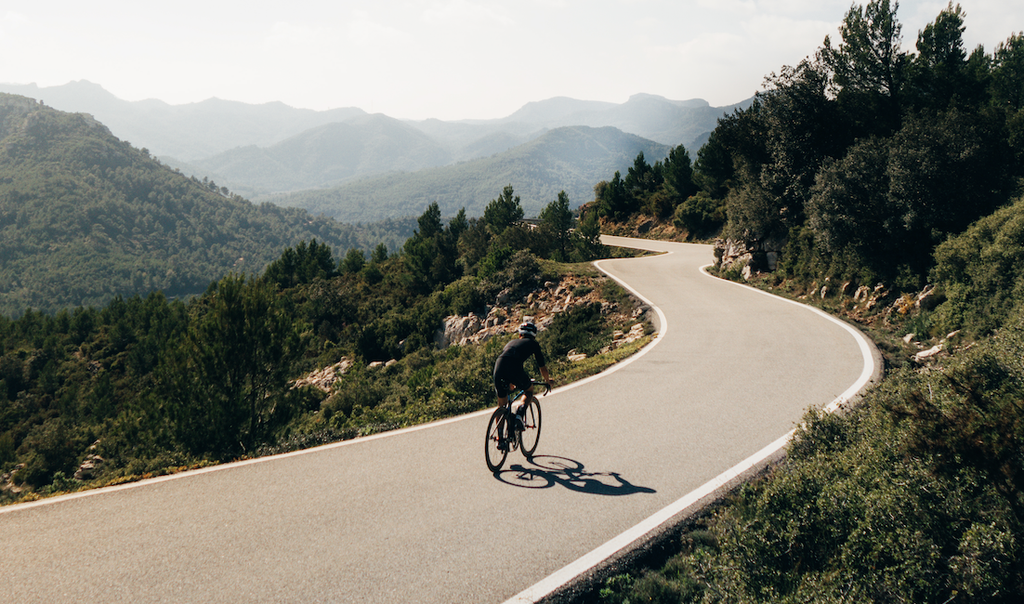
There's something about booking a cycling holiday that gets you excited. Maybe it's a week in Mallorca, a few days climbing in the Alps, exploring the gravel roads of Spain or simply heading somewhere new with a group of mates. You've booked the flights, found somewhere to stay and started looking at routes, and before long somebody's suggesting a 140 km ride with three mountain passes on the first day. It all sounds brilliant, but there's one small detail that's worth considering before you get too carried away. Are you actually fit enough for what you've booked?
It's surprisingly easy to concentrate on the destination and forget about the physical demands of the riding itself. You might be perfectly comfortable doing three or four hours on your local roads, but doing something similar for several consecutive days, possibly in warmer weather, with considerably more climbing and a group that's riding a little faster than you're accustomed to, is a different challenge altogether.
I've always felt that a cycling holiday should be something you look forward to and enjoy, rather than something you spend the first few days trying to survive. With a little planning and some sensible preparation in the weeks or months leading up to your trip, there's no reason you shouldn't arrive feeling confident and ready to make the most of it.
First, What Kind of Trip Are You Planning?
Not everybody heading away with their bike has the same ambitions. Some cyclists travel to warmer climates specifically for a training camp, where the intention is to build endurance, increase training volume and prepare for the racing season. Others simply fancy a week of good roads, beautiful scenery, decent coffee and a few climbs they wouldn't normally get the opportunity to ride. Then there are the gravel riders, mountain bikers, bikepackers and touring cyclists who are more interested in exploring somewhere new than chasing personal bests.
They're all perfectly good reasons to go away cycling, but the physical demands can be very different, which is why preparation needs to reflect what you're actually planning to do. You certainly don't need to be a racing cyclist, follow a complicated training programme or own an expensive power meter to enjoy a cycling holiday, although having a reasonable understanding of your current fitness and what lies ahead is certainly helpful.
A relaxed 50 km ride with a café stop is one thing, while a 120 km mountain route with 2,500 metres of climbing is quite another. If you're planning to repeat those longer rides over several consecutive days, you need to think beyond how far you can comfortably cycle on a good Sunday morning.
Work Backwards From Your Holiday
Before you start changing your training, I'd suggest spending a little time looking at the riding you're planning to do. Consider how many days you'll be cycling, the distances involved, how much climbing there is, what sort of terrain you'll encounter and whether you'll be riding at your own pace or trying to keep up with a group. Once you've got a reasonable picture of the demands, compare them with what you're currently doing.
Let's say you're riding around five hours each week and you've booked a five-day cycling holiday where you're hoping to ride three hours a day. That's 15 hours of cycling in one week, three times your normal volume, and if you throw in some long climbs, warmer temperatures and a few enthusiastic mates, you're suddenly asking quite a lot more of your body than it's accustomed to.
That doesn't mean you shouldn't go, but it does mean you'll probably benefit from preparing for it. It's also worth remembering that distance alone doesn't tell the whole story, because a 70 km ride in the mountains could take considerably longer and demand much more energy than a relatively flat 100 km ride. For gravel and mountain biking, rough surfaces and technical terrain can make even shorter distances surprisingly demanding.
Look at the expected time in the saddle, the climbing, the terrain and how many days you'll be riding in succession. Those details will tell you considerably more about the preparation required than simply looking at the total kilometres.
How Early Should You Start Training?
Ideally, I'd suggest allowing around 8 to 12 weeks of preparation before a reasonably demanding cycling holiday, although if you're relatively new to cycling, haven't been riding consistently or have booked something particularly challenging, giving yourself three or four months would be even better.
Of course, it all depends on your starting point. Somebody already riding 10 hours a week probably won't need to make enormous changes for a moderate cycling trip, whereas someone who currently rides twice a week for an hour may need a much more gradual build-up. The idea isn't to suddenly start training like a professional cyclist, but to give yourself enough time to improve your endurance, get comfortable with longer rides and prepare your body for the demands of several days in the saddle.
12 to 8 weeks before: Build some consistency
During the early weeks, I'd concentrate on establishing a regular riding routine rather than worrying too much about complicated training sessions. For many recreational cyclists, three rides each week can be a perfectly reasonable starting point, depending on their existing fitness and available time, with one of those rides gradually becoming a little longer as their endurance improves.
Most of this riding should be at a comfortable pace where you can hold a conversation without struggling for breath. There's certainly room for some harder efforts if you're already accustomed to structured training, but there's no need to turn every session into a test of how fit you are. If climbing is something you struggle with, begin introducing some hills, and if you're planning a gravel adventure, try to spend more time riding on similar surfaces.
One thing I'd emphasise is the value of consistency, because three sensible rides every week will generally do you more good than one enormous Sunday ride followed by six days of doing very little. Building fitness doesn't have to be complicated, but it does require a bit of regular commitment.
8 to 4 weeks before: Prepare for the real demands
As the holiday approaches, your training should become a little more specific to the riding you're going to encounter. If you're heading to the mountains, longer sustained efforts can help develop your ability to climb at a steady pace, while someone preparing for a bikepacking trip would benefit from practising with their luggage loaded. Mountain bikers should spend time developing their handling skills and confidence on the type of terrain they'll be riding.
This is also a good opportunity to introduce some consecutive-day riding, provided you've already built enough fitness to cope with it. You might complete a comfortable three-hour endurance ride on Saturday and follow it with an easier two-hour ride on Sunday, with the exact durations depending on what you're already accustomed to.
You're not trying to exhaust yourself on either day, but rather get used to riding when your legs aren't completely fresh and learn how well you recover overnight. It's also a good opportunity to practise your nutrition, test your equipment and discover whether your saddle is still quite as comfortable after several hours as you thought it was.
The final two weeks: Don't ruin the preparation
As departure gets closer, some cyclists suddenly realise how little time they've got left and decide they need to squeeze in another few big rides. I wouldn't recommend that approach, because by this stage most of the useful training should already be in the bank, and the priority is to arrive reasonably fresh rather than carrying unnecessary fatigue into the holiday.
If you're preparing for a particularly demanding camp, gradually reducing your training workload during the final week or two can be worthwhile, depending on how much training you've been doing and how tired you're feeling. You can maintain a little familiar intensity, but reduce the overall volume and give yourself enough time to recover. For a more relaxed cycling holiday, you may not need much of a taper at all, although I'd still avoid a particularly hard final few days.
And if you've only left yourself four weeks to prepare, there's no need to panic and suddenly double your training. Concentrate on what you can achieve sensibly, include some appropriately longer rides, practise your fuelling and perhaps reconsider a few of your more ambitious routes. Trying to squeeze three months of preparation into three weeks is rarely a particularly clever idea.
The Real Challenge Might Be Day Four
A lot of cyclists can manage one long day in the saddle without too much difficulty, but it's what happens the following morning, and particularly after three or four consecutive days, that can catch them out.
You finish a big ride, have a decent meal, get a good night's sleep and expect to feel reasonably fresh the next morning, only to discover that your legs seem to have gone on holiday without you. This is one of the reasons I like introducing occasional back-to-back riding during preparation, because it helps you understand how your body responds to repeated efforts rather than simply how well you can perform on one good day.
You might discover that the second day feels surprisingly comfortable once you've warmed up, or perhaps your legs feel unusually heavy and your normal riding pace requires considerably more effort. That information is useful because it might indicate that you need to adjust your pacing, improve your fuelling or allow more recovery between harder sessions.
There's no need to train on consecutive days every week, particularly if you're not accustomed to it, but gradually introducing a few blocks can help prepare you for the demands of your trip. The objective isn't to become exceptionally good at riding while exhausted, but to develop enough endurance and resilience that a few days of enjoyable cycling don't leave you completely drained.
Going Somewhere Hilly? Prepare for the Climbing
If you've booked a trip to Mallorca, Tenerife, the Alps or somewhere with proper mountains, it's worth including some climbing-specific work in your preparation. You might have excellent endurance on relatively flat roads, but maintaining a steady effort up a climb that takes 40 or 50 minutes can be a surprisingly different experience.
Long climbs require patience, sensible pacing and the ability to sustain pressure on the pedals without repeatedly pushing beyond what you can comfortably maintain. If you don't have access to long climbs at home, you can still develop those abilities by including longer intervals at a controlled, moderately challenging intensity, and an indoor trainer can be particularly useful because it allows you to maintain a consistent effort without traffic, junctions or constantly changing gradients.
You don't need to simulate every kilometre of Alpe d'Huez in your garage, but you should gradually become comfortable with sustained efforts and learn what a realistic climbing pace feels like.
Pacing is especially important when you're cycling with other people, because it's amazing how quickly a sensible climbing effort can disappear when somebody rides past you. Before long, you're chasing a wheel, breathing through your ears and wondering why the climb still has another eight kilometres to go. There's absolutely nothing wrong with letting somebody ride away if their pace is too high, particularly when you've got several more climbs and another few days of riding ahead.
It's also worth checking your gearing before travelling, because having a suitable low gear can make a considerable difference on long or steep climbs. Nobody's handing out medals for grinding your way up a mountain in a gear that's far too big simply because you didn't think to change your cassette.
Gravel, Mountain Biking and Bikepacking Need Their Own Preparation
Not every cycling holiday involves smooth tarmac and mountain passes, and if you're heading off-road, your preparation should reflect that.
Gravel riding can be physically demanding, particularly on loose climbs, rough tracks and extended sections where you're constantly adjusting your position to maintain control. Mountain biking introduces another set of challenges, with technical descending, braking, cornering and handling the bike when you're already tired all requiring skills that won't necessarily improve just because you've spent more time riding your road bike.
If you've booked a mountain biking holiday, try to get out on the trails regularly beforehand and practise the skills you'll actually need. Confidence and good technique can make an enormous difference to how much energy you use, particularly when the terrain becomes more challenging.
For bikepacking and touring, I'd strongly recommend completing at least a couple of rides with your luggage loaded, because a bike carrying several days' worth of equipment can feel quite different when climbing, braking and descending. It's also a good opportunity to check that everything is securely fitted and that you can access the things you need without having to unpack half your belongings at the side of the road.
E-bike riders shouldn't ignore preparation either, because even with motor assistance, a long day on unfamiliar terrain can be tiring. You'll still need appropriate stamina and handling confidence, along with a realistic understanding of battery range, charging opportunities and how assistance levels affect the distance you can cover.
The more closely your preparation resembles the riding you're going away to enjoy, the fewer unpleasant surprises you're likely to encounter.
Strength Training: A Little Goes a Long Way
Cyclists are generally pretty good at finding reasons to spend more time on their bikes, although enthusiasm for strength training doesn't always seem quite as strong.
But a little basic strength work can be worthwhile, particularly when you're preparing for longer days in the saddle, sustained climbing or repeated riding over several days. Exercises such as squats, split squats, step-ups and straightforward core work can help develop strength and control, and you certainly don't need to spend hours in the gym to benefit.
One or two appropriately planned sessions each week can complement your cycling, especially if strength training hasn't previously been part of your routine. If you're new to it, start conservatively and allow time for your body to adapt, because the week before your holiday really isn't the moment to introduce a demanding leg workout.
I'd also pay attention to your position on the bike, particularly if you're going to be riding considerably more than normal. A saddle that feels slightly uncomfortable after an hour at home can become a much bigger problem after four hours, especially when you're expected to get back on the bike the following morning. The same applies to your hands, shoulders, neck and lower back, so if you've been putting up with discomfort for months, it's worth getting it looked at before travelling rather than hoping a week in the sunshine will somehow sort it out.
Eat Properly. You'll Need the Energy
Fuelling is one area where I think a lot of cyclists make life unnecessarily difficult for themselves. You can spend months building your fitness, improving your endurance and preparing for longer rides, only to undermine that work by heading out with too little food and then wondering why your legs have disappeared halfway through the day.
The problem can become even more noticeable on a cycling holiday because you're often riding considerably more than normal, and inadequate fuelling on one day can affect how well you recover for the next.
For rides lasting around one to two and a half hours, approximately 30 to 60 grams of carbohydrate per hour is a useful general guideline when the duration and intensity justify it. On longer, harder rides, around 60 to 90 grams per hour may be appropriate for some cyclists, particularly those who've practised consuming those amounts and know their digestive system can tolerate them.
These aren't compulsory targets for every cyclist on every ride, though, and it's worth applying a little common sense. A relaxed two-hour spin with a café stop doesn't need the same nutrition strategy as a demanding five-hour ride in the mountains, so consider the duration, intensity and overall demands rather than blindly copying what professional cyclists are doing in races.
Bananas, sandwiches, rice cakes, bars, sports drinks and gels can all work perfectly well, and there's certainly no requirement to spend an entire week surviving on energy gels simply because you're riding in Spain. Find foods you enjoy, practise eating during longer training rides and get comfortable taking on carbohydrates regularly rather than waiting until you're completely empty.
Practise Your Fuelling Before You Travel
Something else I'd encourage cyclists to work on in the weeks leading up to a trip is what's commonly called gut training. Just as your legs adapt to increased training, your digestive system can also become better accustomed to taking on larger amounts of carbohydrate while exercising, which can be particularly useful if you're preparing for longer rides or several demanding days in succession.
If you're currently comfortable consuming around 30 grams of carbohydrate per hour, suddenly attempting 90 grams on your first big mountain ride probably isn't the wisest idea. Your stomach may have a few objections, and the middle of a long climb isn't the best place to discover them. Instead, gradually increase your intake during suitable training rides, perhaps moving towards 40 or 50 grams per hour initially, and then progressing further if the duration and intensity of your riding justify it.
Over several weeks of consistent practice, this can improve your tolerance to higher carbohydrate intakes and may help your digestive system handle the demands more comfortably. It's also worth experimenting with different carbohydrate sources, including drinks, bars and ordinary food, because what works perfectly well for one cyclist won't necessarily suit another.
I'd encourage riders to treat this as part of their preparation rather than something they only think about once they're on holiday. You might have the fitness to complete a demanding five-hour ride, but if you're struggling to take on enough carbohydrate to support that effort, particularly when you're riding again the following morning, you're making things unnecessarily difficult for yourself.
The goal isn't to force down as much carbohydrate as possible, but to gradually become comfortable consuming an appropriate amount for the riding you're planning. Your legs aren't the only things worth training before you head away.
I'd also pay attention to what you're eating once you've finished riding, because if you've got another demanding day planned tomorrow, you need to replace the energy you've used today. Include plenty of carbohydrate to replenish your energy stores, some protein to support recovery and proper meals rather than just grabbing a coffee and forgetting about food until dinner.
And one other thing I think is worth mentioning. A cycling holiday isn't the ideal time to start restricting your food because you're worried about putting on weight. If you're riding substantially more than normal, your body needs the energy to support that work, and deliberately under-fuelling is only going to make the experience harder than it needs to be.
Heat Can Make Everything Feel Harder
If you're travelling from the UK or Ireland to somewhere warmer, don't underestimate how much the conditions can change the demands of a ride. A steady climb that feels manageable at 12°C may feel considerably harder when the temperature is closer to 30°C, particularly if you're not accustomed to riding in the heat.
Your heart rate may be higher than normal for a familiar effort, you'll generally sweat more and your usual pace might feel surprisingly difficult to maintain. Your body needs time to adapt to warmer conditions, and while some carefully managed heat exposure beforehand may be helpful for particularly hot destinations, there's no need to start cooking yourself on an indoor trainer wearing a winter jacket.
When you arrive, I'd suggest keeping the first few rides controlled and allowing yourself time to adjust, particularly if the temperature is considerably higher than you're used to. Drink according to your thirst, the conditions and your individual sweat losses, and remember that longer rides in hot weather may require additional fluid and sodium, especially if you're somebody who sweats heavily.
There isn't one fixed amount of water that'll suit everybody, so don't assume you need to drink exactly the same quantity as the rider beside you, and avoid forcing excessive amounts of plain water. Plan your water stops, make sure you've got enough for the route and consider heading out earlier in the morning if the afternoons are particularly hot.
It's also worth remembering that travelling itself can leave you tired, especially after a late flight, disrupted sleep and a lengthy transfer. None of those things makes particularly good preparation for a five-hour mountain ride the following morning, so give yourself a chance to settle in before tackling the biggest day of the trip.
Recovery Doesn't Mean You're Wasting the Holiday
This is probably one of the hardest things for enthusiastic cyclists to accept, particularly when you've paid for the flights, accommodation and bike hire, the weather's fantastic and you're surrounded by roads you've been looking forward to riding for months.
Naturally, you want to make the most of every minute, but that doesn't mean every day needs to involve five hours in the saddle or another enormous mountain climb. If you've got a particularly demanding route planned, consider making the following day easier, perhaps with a shorter spin, a relaxed café ride or even a complete day off the bike.
Sleep, nutrition and sensible pacing all contribute to how well you recover, and it's worth paying attention to how you're feeling as the week progresses. If your legs are becoming increasingly heavy, your normal riding pace feels unusually difficult and your motivation is disappearing, you might be better off shortening the next ride rather than pushing on simply because it was part of the original plan.
For cyclists attending a structured training camp, recovery becomes even more important because a concentrated block of increased training can be productive, but only if you're able to absorb the workload. Simply accumulating as many hours as possible isn't necessarily going to produce better results, particularly if you're carrying significant fatigue into the following weeks.
For recreational cyclists, there's even less reason to run yourself into the ground, and there's absolutely nothing wrong with spending an afternoon beside the pool or enjoying somewhere you've travelled a long way to visit. You're on holiday, after all, and the bike doesn't have to dictate every hour of the day.
Get Your Bike Sorted Before You Leave
You'd be surprised how many cycling trips get off to a frustrating start because of something that could easily have been sorted at home. A worn chain, tired brake pads, unsuitable gearing or a bike that hasn't been properly serviced can become a much bigger problem when you're suddenly riding considerably more than usual, particularly if you're somewhere unfamiliar.
I'd recommend getting your bike checked well before travelling, making sure the tyres, brakes, drivetrain and gearing are in good condition and appropriate for the riding you've planned. If you're flying with your own bike, familiarise yourself with the airline's requirements and practise packing it safely beforehand, then check everything carefully once you've reassembled it at your destination.
If you're hiring a bike, try to confirm the frame size, gearing, pedals and equipment before you arrive, rather than assuming the rental company will automatically have exactly what you need. Taking a few measurements from your own bike can also help you reproduce a comfortable riding position, which is particularly useful when you're going to be spending several hours a day in the saddle.
For gravel and mountain biking, check that the tyres and equipment are suitable for the terrain, while e-bike riders should look carefully at battery transport restrictions because most standard e-bike batteries cannot be carried on passenger aircraft. Local hire is often the more practical option in those circumstances.
And don't forget travel insurance, which should specifically cover the type of cycling you're planning, particularly if you're heading off-road, taking part in organised training or entering competitive events. It's not the most exciting part of planning a cycling holiday, but it's certainly worth getting right before you leave.
Don't Let Your Mates Ruin Your Pacing
Group cycling holidays can be great fun, particularly when you've got a few friends together who share the same enthusiasm for cycling, but they can also become unexpectedly competitive.
There's nearly always somebody who starts the first climb as though the finish line of the Tour de France is waiting at the top, and before long what was supposed to be a steady morning ride has turned into something considerably harder. Everybody's feeling fresh, there's a bit of enthusiasm and suddenly half the group is riding well above the pace they originally intended.
There's nothing wrong with a bit of friendly competition, but if you've got another four or five days of cycling planned, repeatedly pushing beyond your ability can catch up with you surprisingly quickly. Learning to recognise a sustainable pace and being comfortable sticking to it is particularly important when you're riding with stronger cyclists.
If you're attending an organised camp, try to choose a group that suits your fitness and experience, and if you're travelling with friends of different abilities, agree on sensible regrouping points so nobody feels pressured into riding beyond what they're comfortable with.
The strongest rider might be having a fantastic day, but that doesn't necessarily mean everybody else is, and a little consideration can make the whole experience more enjoyable for the group.
A Simple Checklist Before You Go
You don't need a complicated spreadsheet to organise a cycling holiday, although I know a few cyclists who'd probably enjoy making one. It's really just a matter of getting the important things sorted well before departure, so you're not dealing with avoidable problems once you arrive.
Training and fitness
- Have you gradually built enough endurance for the expected riding?
- Are you comfortable with the likely time in the saddle?
- Have you practised riding on consecutive days where appropriate?
- Have you prepared for the climbing, surfaces and technical demands?
Nutrition and recovery
- Do you know what foods and drinks work for you?
- Have you practised your carbohydrate intake and gradually developed your tolerance where appropriate?
- Have you allowed for easier days and recovery?
- Are you planning to arrive reasonably fresh?
Bike and equipment
- Is your bike serviced and mechanically sound?
- Have you checked the gearing, tyres and brakes?
- Is your riding position comfortable for longer rides?
- Have you sorted your bike transport, luggage or rental arrangements?
The trip itself
- Are the planned routes suitable for your ability?
- Do you know where to find water and food?
- Have you checked the weather and local riding conditions?
- Does your insurance cover the cycling activities you're planning?
- Have you allowed some flexibility if your plans need to change?
None of this needs to become another major project, and you certainly don't have to prepare for every possible eventuality. It's simply about reducing the chances of something avoidable spoiling what should be a really enjoyable trip.
The Best Preparation Happens Before You Leave
For me, one of the greatest things about cycling is the opportunity to explore somewhere new, whether that's riding roads you've never seen before, tackling climbs you've watched on television or spending a few days discovering trails away from home.
You don't have to be exceptionally fit to enjoy those experiences, but arriving with a reasonable level of preparation can make an enormous difference to how much you get out of them. If you've got a cycling holiday booked for next spring or summer, start thinking about it now, look at the routes you'd like to ride and give yourself enough time to build towards the demands gradually.
You don't need to turn your life upside down or spend every spare hour training, but making your riding a little more purposeful over the preceding weeks can pay off when you arrive. Build your endurance, practise riding on consecutive days, get comfortable with the terrain, learn to pace yourself and make sure you're eating enough to support the work you're doing.
Most importantly, remember why you booked the trip in the first place. You want to enjoy the riding, see somewhere different and hopefully come home with some great memories, rather than spending half the week wondering why your legs won't work.
And when somebody suggests that enormous mountain ride on the first morning, at least you'll have a better idea of what you're agreeing to.
Planning a Cycling Holiday or Training Camp?
If you've got a cycling trip coming up and you're unsure how best to prepare, I can help. At Precision Cycling Coaching, I build individual training plans around your current fitness, available time and the type of riding you're working towards, so you can prepare properly without making training more complicated than it needs to be.
You don't have to be a racer to benefit from a bit of structure. Sometimes the goal is simply to arrive somewhere beautiful, ride your bike and enjoy every minute of it.
About the author
Andy Layhe is the founder of Precision Cycling Coaching (PCC), with over 40 years of experience in competitive cycling across road, cyclocross and mountain biking. He works with cyclists of all abilities, combining practical racing experience, structured training and performance analysis to help riders improve and achieve their goals.